
The cold chain has always been a demanding logistics segment, with its capital-intensive equipment, strict temperature requirements, and energy dependence. Now the sector is grappling with additional challenges – from increases in the sensitivity, quality standards, and volume of many of its goods, to continually mounting regulations.
The cold chain also faces many of the same issues challenging the entire supply chain: serving the global market, driving down costs, reducing waste, becoming more strategic, and addressing capacity and resource constraints, all while managing the exacting needs of the sector’s precious cargo – primarily food and pharmaceutical products.

Here are 4 important trends impacting the cold chain as we move towards the second half of 2021:
1. Cold chains are becoming more global. Increasing interest in healthy food, and the growth of the middle class, are pushing cold chains to globalize. Consumers demand fresh food and higher-end products, that must travel extended distances and ship quickly to ensure freshness and quality. Food is travelling around the world as more manufacturers manage their supply chains globally. These manufacturing plants are becoming more specialized to a specific product or label, and they ship their goods more widely. Meeting these demands without driving up inventory or cost, places added pressure on each element of the supply chain.
2. An increasing focus on quality and product sensitivity. In the food industry, the big trend is an increased focus on quality, health, and integrity. To win repeat business and satisfy demanding consumers, manufacturers must ensure an optimal experience with the brand. For cold chain products, that means avoiding the changes in texture and taste that occur when a shipment strays outside recommended temperatures. When referring to premium products, they are usually coming into the market with a shorter shelf life, greater sensitivity to temperature, and a much different level of demand. This intensified focus on quality and the consumer experience means as many as five different temperature zones may be required across the food cold chain.
3. Packaging is evolving to meet new needs. Food manufacturers are turning to newer disposable packaging designs to ensure integrity for more sensitive products. Reusable containers are also seeing increased use in food and pharmaceutical logistics to reduce waste, while some companies embrace greener packaging materials. For example, Miba Star that has more than 45 years in the Flexible Packaging Industry, with extensive expertise in producing packaging for baked products, has developed an ideal solution that combines the natural look and feel of paper with the functionality of the latest flexible packaging technology. This window packaging can go from freezer/refrigerator to oven and/or microwave through its unique combination of materials. The product can be served in the packaging to the final customer.
4. Customer habits persist as the cold chain’s weakest link. The biggest obstacle for many cold chain operators is the one part of the supply chain they don’t control: The moment products are placed in the consumer’s shopping cart or delivered by courier services or any other food delivery platforms. Despite the considerable expense and effort to move the item across hundreds of miles through multiple hand-offs, a product that sits too long in a cart, a hot car, or a poorly regulated freezer can degrade in quality, a condition that often gets blamed on the manufacturer.
Ensuring pharmaceuticals, food, and other chilled goods retain their integrity and safety remains a moving target for cold chain operators. The scope of managing cold chains keeps changing due to globalization, tightening regulation, and changes in consumers requirements. This keeps driving the need for technology, at a reasonable cost that will be shared by all involved, along with efficiency and security.
Now we’ll take a look at a few of our most popular cold chain data loggers.
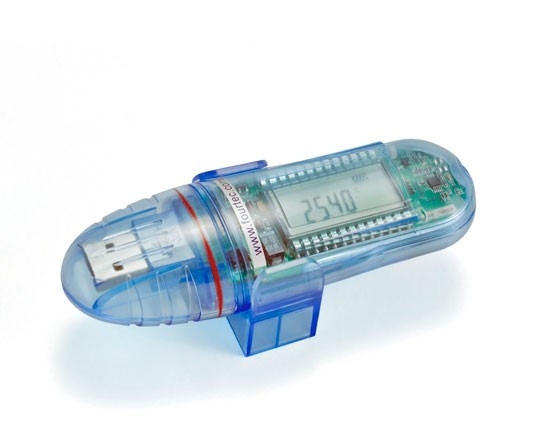
- Easy to use USB data loggers for temperature, humidity and more
- Monitoring solutions enable customers to store, ship, distribute and deliver products that require temperature and humidity monitoring
- Real-time sensor readings with a corresponding time stamp are clearly displayed on the logger’s LCD screen, incorporating alarm thresholds
- Measurement temperature range: -40° to 80°C Humidity range: 5% to 95%
- Up to 32,000 sample memory
- Replaceable battery
- Available with external needle/round temperature probe with high measurement temperature or with high-temperature resistant Teflon cable
- Dust and water-resistant IP67/IP54
- Free, comprehensive DataSuite (DS) software for data analysis and device setup
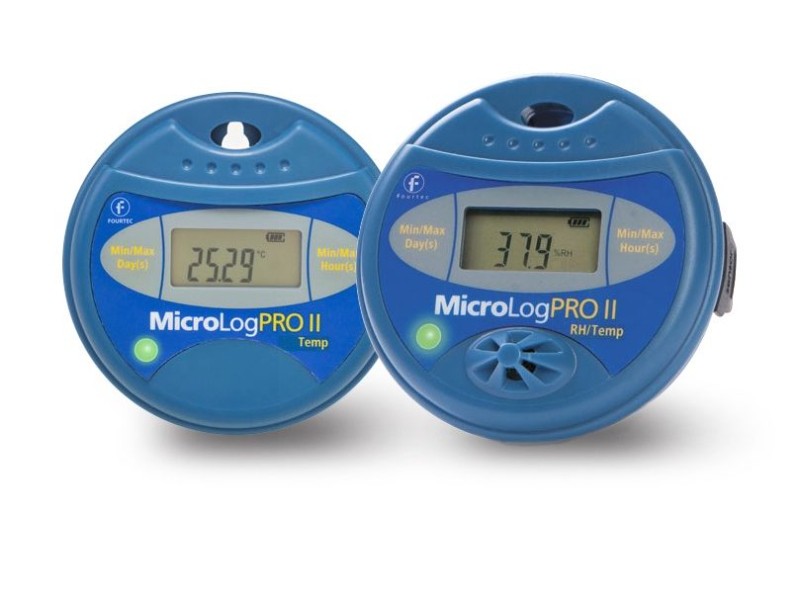
The MicroLog Pro product line includes a range of low-cost, portable and versatile data loggers for supply chain monitoring, featuring internal temperature and humidity sensors with one external input for connection to the temperature sensor. With over a decade of customer satisfaction, the MicroLog continues to offer application reliability for a variety of mission-critical industries such as cold chain, healthcare, pharmaceuticals, and storage.
Data Suite Software
- Free software supporting data analysis and device setup
- Issuing system reports – graphical and tabular displayed
- Sending trip reports from the destination – no need for DS software installation or local email clients. Just connect the logger
- Comprehensive analysis
- Multiple loggers and network configuration
- Online firmware update
- Sensor calibration
- DatPass CFR – Audit trail and administration software
SingleRide
Single trip low-cost PDF logger. Small, light, waterproof and packed in a food-safe wrapper, this data logger is ideal for monitoring the temperature in the transit, storage, and testing process.
Dry Ice Logger – Extra low temperature, wide range operation logger. Multi-trip cable-free USB logger for pharmaceutical, cold chain, refrigerator measurement, vaccine storage, laboratories, shipment, food and food processing and cold rooms.
ESIS is a leading supplier of data loggers and measurement equipment in the Australian market since 1971. Contact us to find out more about our wide range of data loggers, weather stations, industrial PC’s and more, to meet your requirements.
Article courtesy of Fourtec


