Rugged devices are pivotal in technological sustainability, and utility companies are increasingly integrating them into their broader asset management strategies.
The concept of “sustainable technology” is not just about reducing carbon emissions; it’s about maximising value across the entire lifecycle of utility operations in water, electricity, gas and renewable segments.

Challenges in utility asset sustainability
Despite growing sustainability mandates, utility organisations face several significant challenges:
- Frequent equipment turnover due to inadequate durability increases costs and electronic waste.
- Incompatibility between generations of hardware forces full infrastructure replacements.
- Supply chain disruptions make lifecycle planning unpredictable.
- Short product life spans limit sustainability gains and raise the total cost of ownership.
Adopting technologies designed to improve sustainability can help overcome these challenges.

What is sustainable technology in utilities?
Sustainable technology in utilities refers to solutions that reduce environmental impact, support long-term operations, conserve natural resources and integrate into existing systems without friction. Key principles of technological sustainability include:
- Durability: Devices must withstand extreme conditions and provide reliable, consistent performance over time.
- Repairability and support: Strong warranties and support services minimise downtime and replacement needs.
- Compatibility: Upgrades should avoid full system replacements to reduce cost and waste.
- Remote enablement: Support for digital workflows and real-time data reduces physical travel, fuel use and paper consumption.
Governments and organisations are increasingly implementing legislation and regulations to encourage businesses to reduce their carbon footprint. Customers are also playing a crucial role in driving demand for sustainable products and services, forcing companies to invest in sustainable technologies and practices by prioritising greener technology over the lowest-cost solutions in some cases.
According to Getac, sustainable technologies, such as AI-powered solutions, can help businesses optimise their energy usage, reduce waste and improve their overall sustainability performance. Cloud computing and other digital technologies can also help reduce carbon emissions by minimising the need for physical infrastructure and promoting more efficient use of resources.
By reducing carbon emissions, businesses can contribute to a more sustainable future, improve their financial performance, enhance their brand reputation and create new business opportunities.
Rugged devices as a path to sustainability
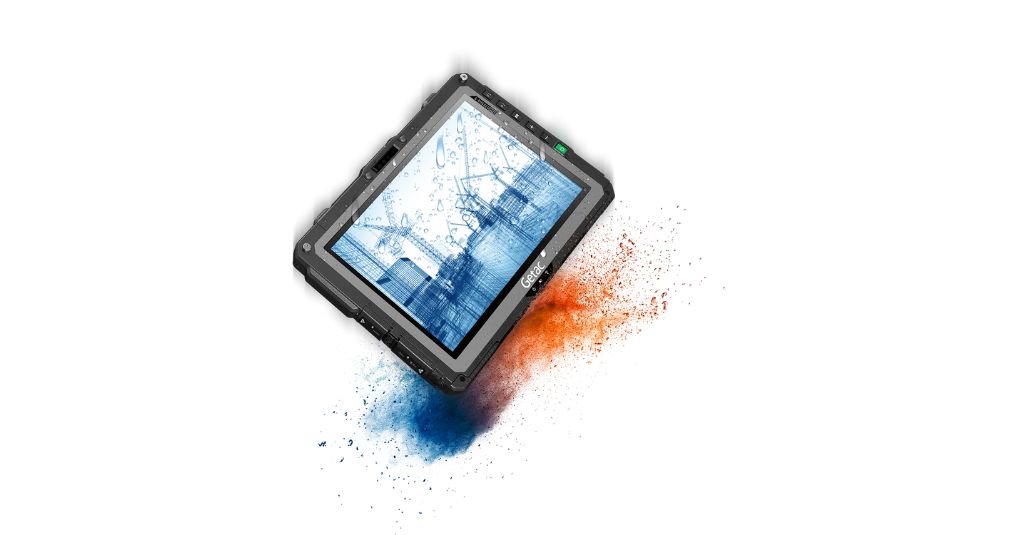
Rugged devices are gaining recognition for their contributions to sustainable asset management, including their role in helping reduce carbon emissions. Many rugged laptops and tablets are designed for long service life, lasting five years or more. The durable design significantly reduces the frequency of replacements and the environmental impact of e-waste.
Getac, a provider of rugged computing solutions available at ESIS, demonstrates several ways rugged technology supports sustainability initiatives in the utility sector:
- Long device lifespan: Getac devices are engineered for extended use in harsh environments, reducing turnover and electronic waste.
- Backward compatibility: Devices like the F110G7 maintain compatibility with existing docking stations, eliminating the need for vehicle modifications and avoiding unnecessary disposal of functioning equipment.
- Eco-conscious design: Getac prioritises compliance with environmental standards such as RoHS and REACH and utilises sustainable packaging and responsibly-sourced materials.
- Remote operations: Features such as remote assistance, real-time data capture and paperless workflows help reduce travel needs, cut fuel consumption and contribute to overall emissions reduction.
- Comprehensive warranty: Getac’s bumper-to-bumper accidental warranty encourages repair over replacement, supporting a circular approach to device lifecycle management.
Additionally, rugged devices optimise energy usage, contributing to sustainability by leveraging technologies that improve energy efficiency to increase output from the same amount of source energy.
Sustainable tech that also delivers business value
Sustainability and enhanced performance can co-exist. Rugged technology enables utility organisations to reduce environmental impact while improving operational efficiency and lowering costs. These tools are built for the rigours of fieldwork, from substation maintenance to vegetation management.
According to Getac, sustainable technologies offer tangible business advantages:
- Extended asset lifespan: Sustainable asset management can add 10-15% to assets’ useful lives.
- Better return on investment: Durable, environmentally responsible devices reduce lifecycle costs.
- Strategic procurement: Aligning technology choices with ESG metrics and regulatory priorities positions organisations for long-term success.
The push toward sustainability in the utility sector is accelerating, shaped by regulation, public expectations and financial incentives aligned with the ideal outcome of a green economy. Rugged technology, when aligned with these sustainability principles, can provide a practical solution to utilities’ challenges.
Vendors with industry-specific expertise, such as Getac, are tailoring product design and services to meet these needs. By emphasising compatibility, durability and remote operational capabilities, utility providers can address immediate technical demands while working towards achieving long-term sustainability goals.
ESIS Industrial Electronics offers a range of industrial computing solutions, including rugged tablets, data loggers, industrial displays, integrated computing platforms and programmable interfaces for direct PLC integration. Talk to us about solutions to keep your business operations running efficiently.
Article courtesy of Getac.


